D’Agostino & Kácha, 10 routes on the Pegas tower in 16 hours
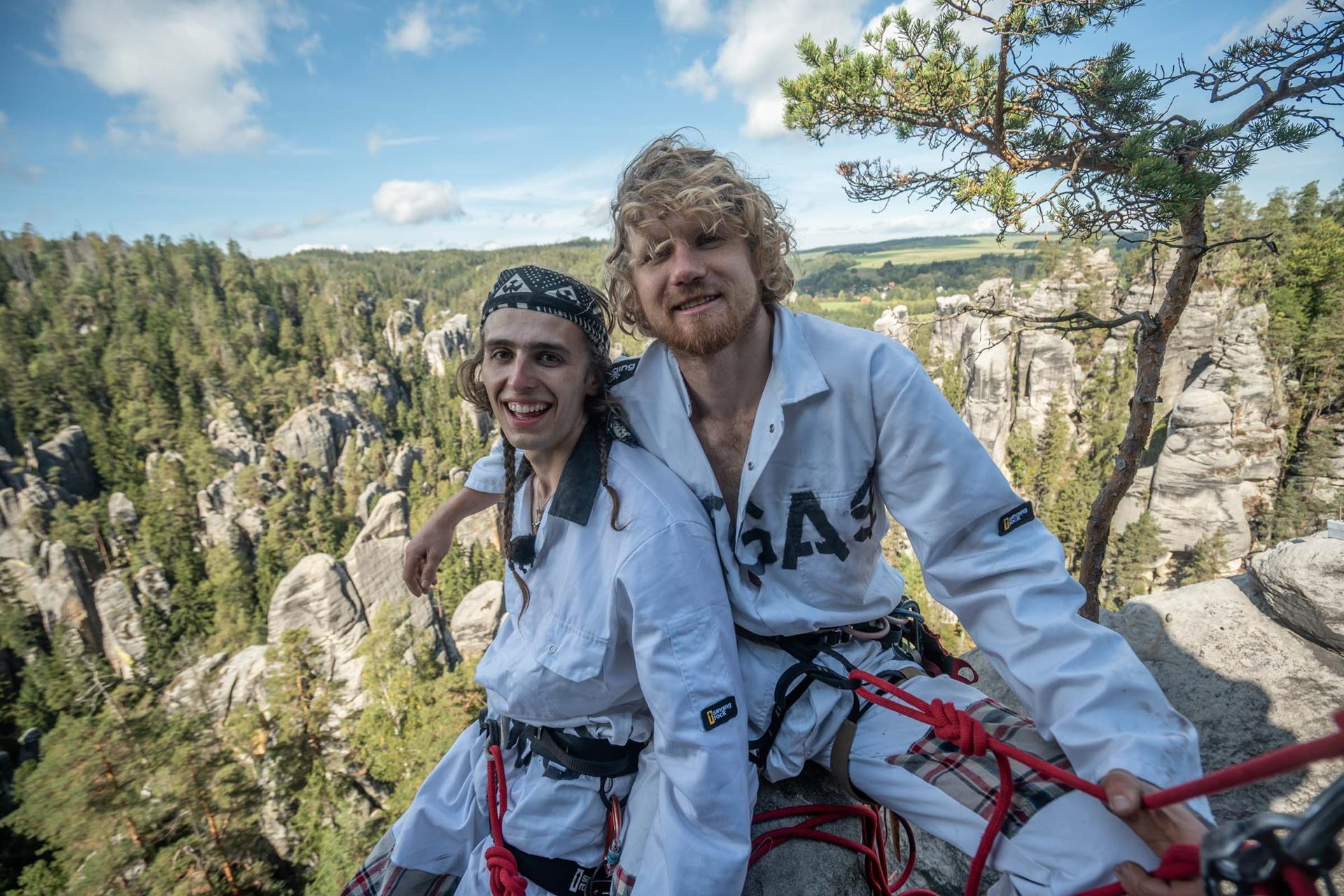
Franta D’Agostino and Kuba “Ratlik” Kácha set themselves a serious challenge in Adršpach (challenge in Czechia): to climb all ten routes on the iconic tower in a single day. Franta had been thinking about a project like this for around two years, gradually building up experience on Adršpach’s cracks to prepare for the challenge. The last time someone managed to climb all the routes on Pegas in a single day was in 2016, so the bar was set high.
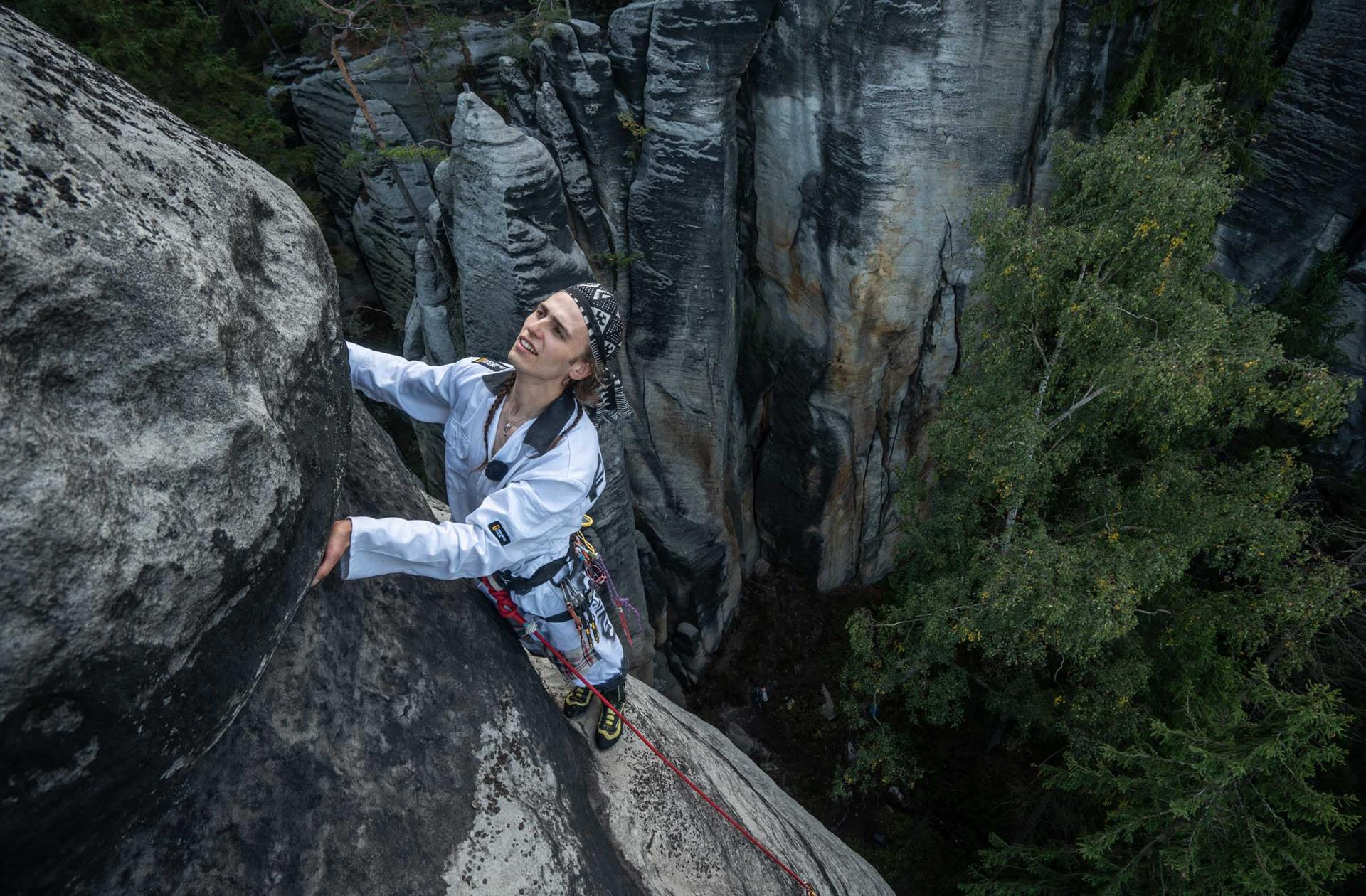
Pegas is a symbol of sandstone area - Adršpach, a mecca for traditional climbing, ring bolts and beautiful routes.
Struggles on Okřídlený koník
The alarm went off at five in the morning. After a quick breakfast and a warm-up session on the bouldering wall, they headed to the tower. They ticked off their first route, Stará cesta VIIa, by seven o’clock. Next came Volání dešťů VIIc, which already demanded a fair amount of concentration compared to the first route. They managed to climb it in just 45 minutes. The first two routes were merely a warm-up for the biggest question mark of the entire project: Okřídlený koník Xa.
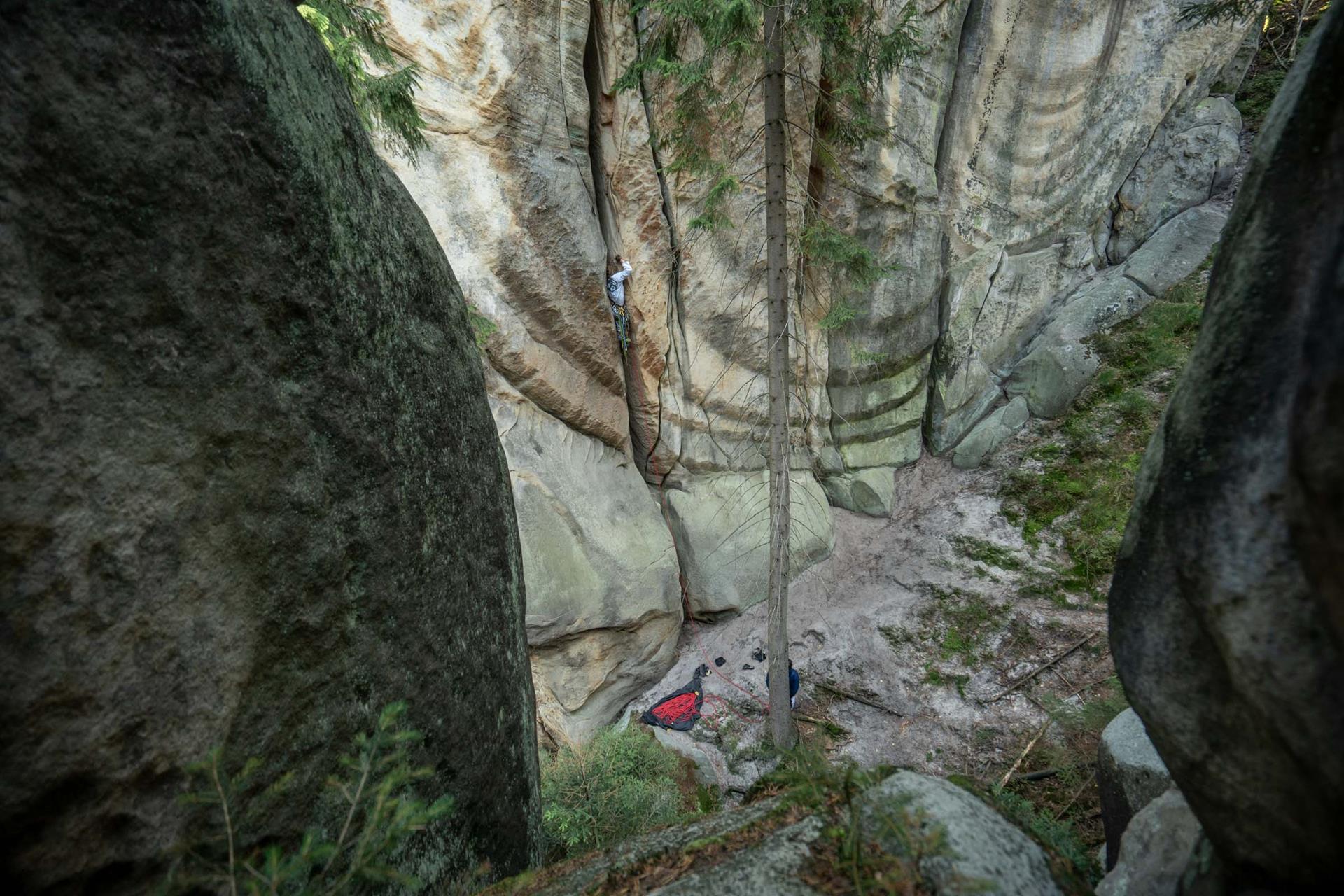
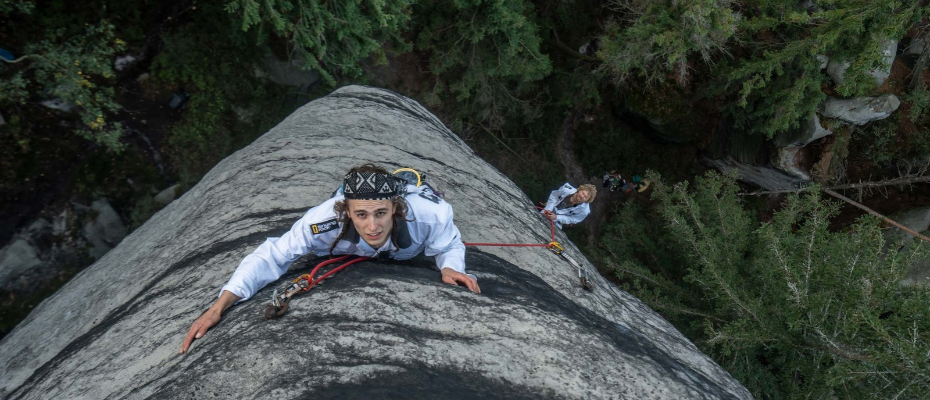
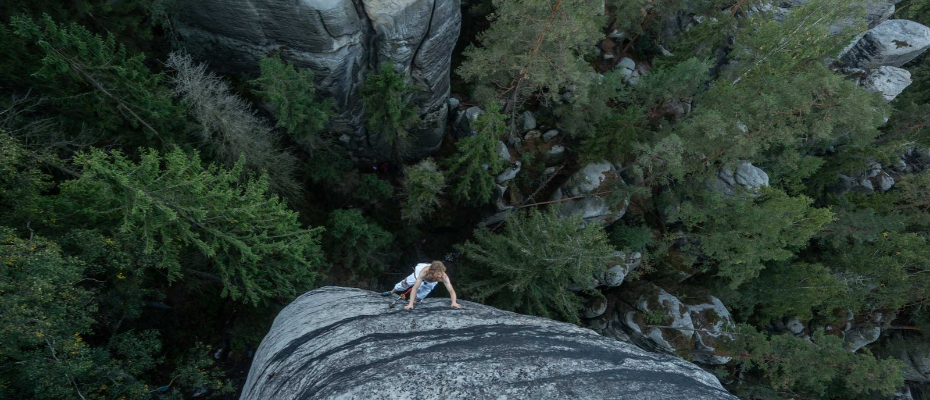
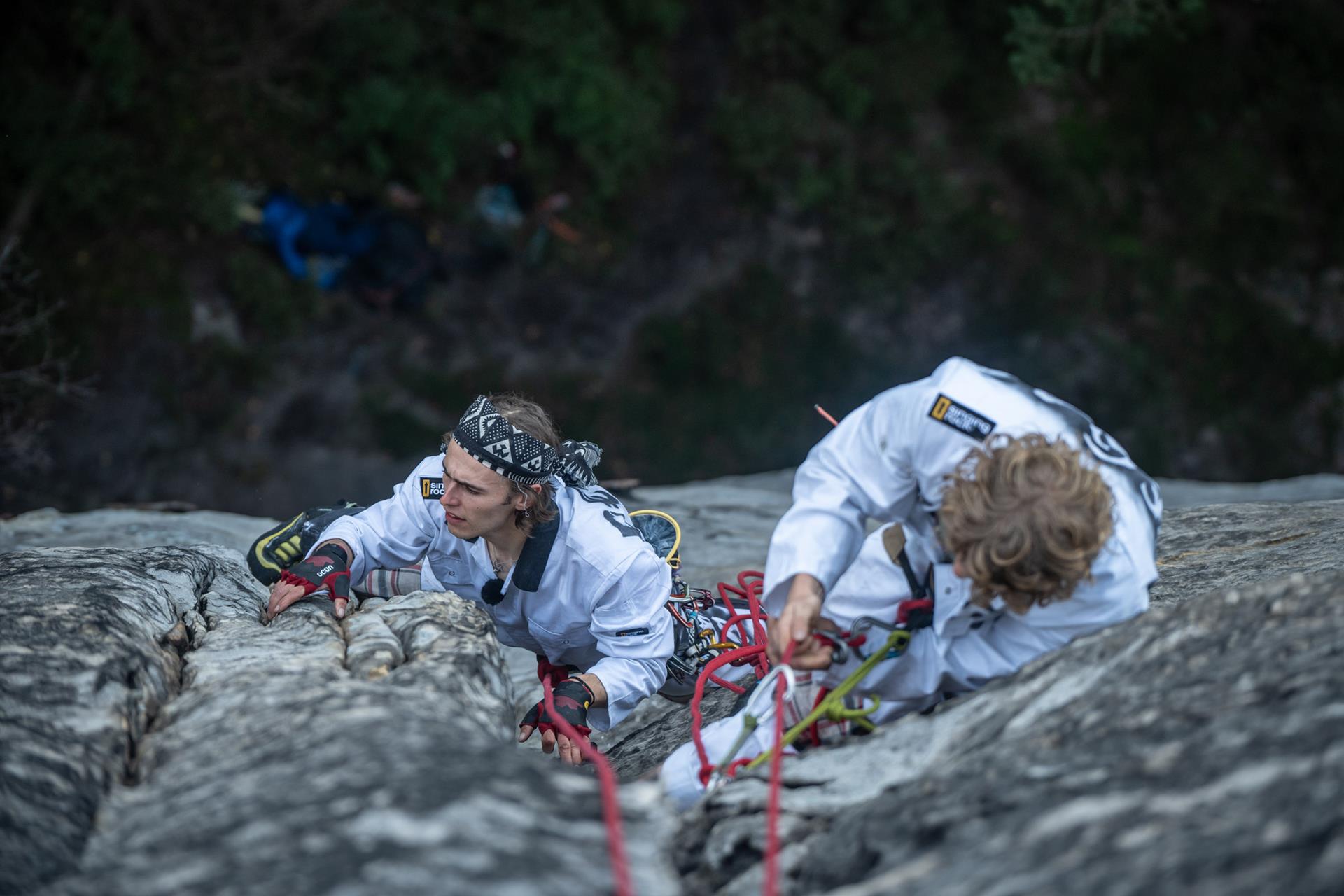
The Okřídlený koník was the test that could make or break the whole day. The pair wanted to climb the entire route without chalk. After a long section of finger-locks, they reached a blank wall where the absence of chalk on their fingers really began to matter. Ratlik failed to get through the crux boulder, so they switched to a team approach. Ratlik belayed from the first ring bolt while Franta climbed on a top rope to the second bolt and continued from there.
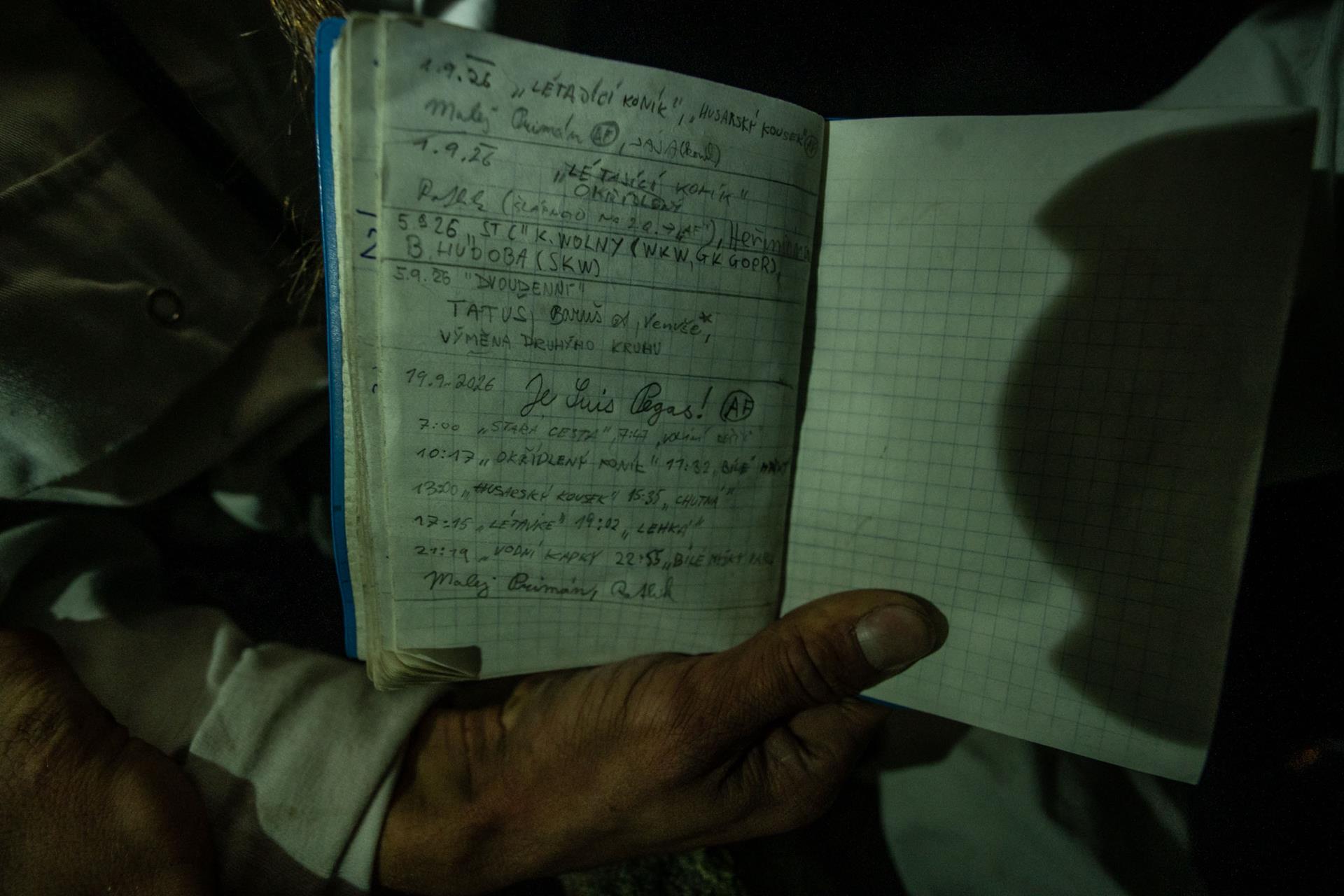
Instead of using the sequence he had originally planned, Franta started searching for tiny holds, improvising with his feet and carefully traversing towards the third bolt. Moves that would have been manageable with chalk became almost impossible without it. At the boulder below the third bolt, Franta decided to try the sequence he had worked out on a previous attempt, but the holds did not stick and he eventually fell. After another fall on a difficult section, he finally found a different sequence and made it to the top. He signed the summit logbook at 10:15.
After the Okřídlený koník came Bílé myšky VIIIa and Husarský kousek IXb. On Husarský kousek, a well-placed knee lock helped Franta through the crux. By 13:00, they had completed five routes and it was time for lunch and a quick assessment of both their progress and their energy levels. Franta was feeling relatively good, while Ratlik was already beginning to feel the fatigue.
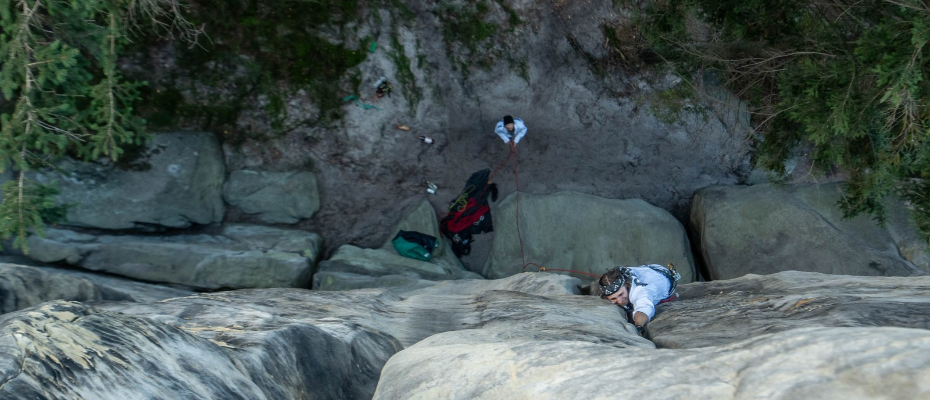
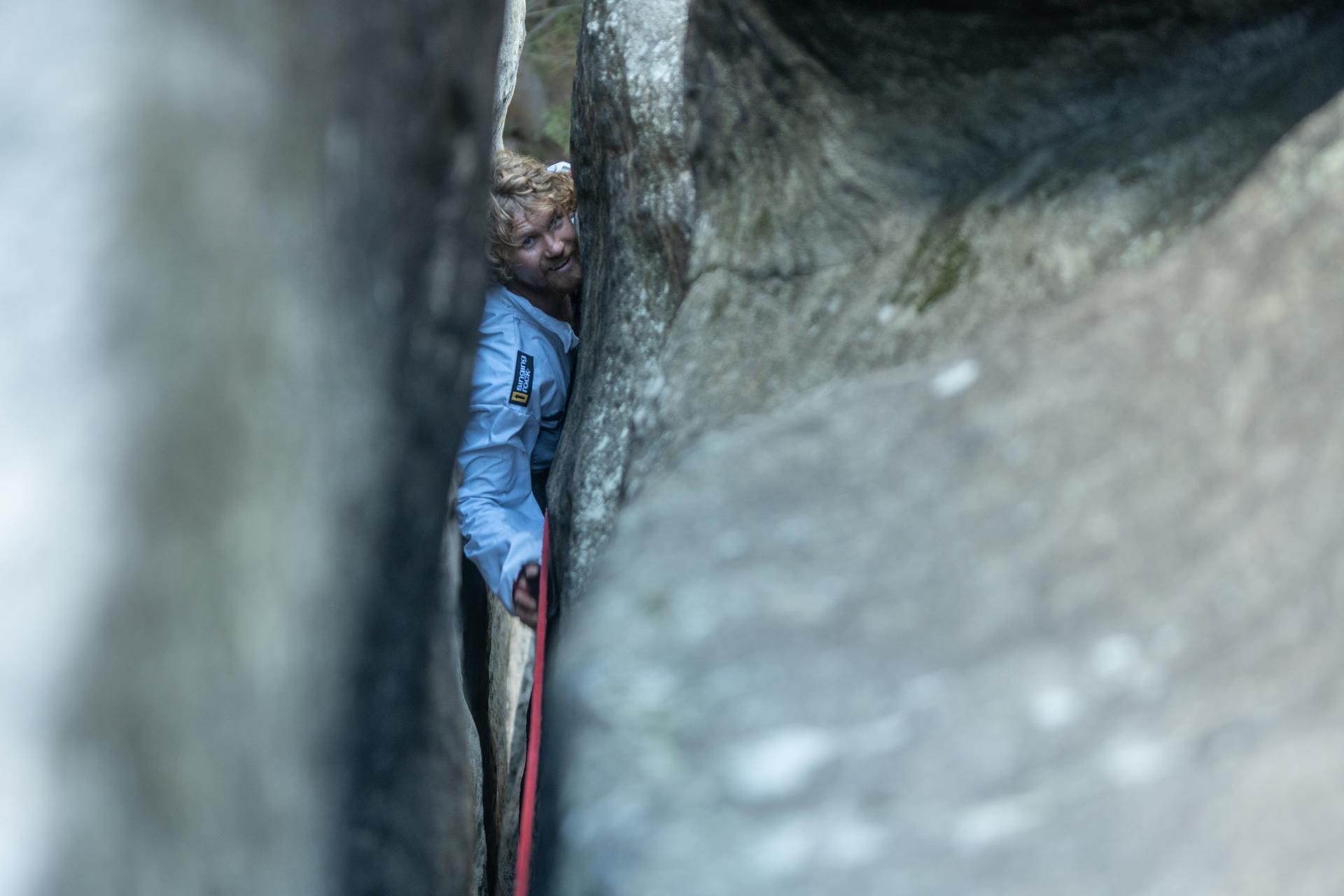
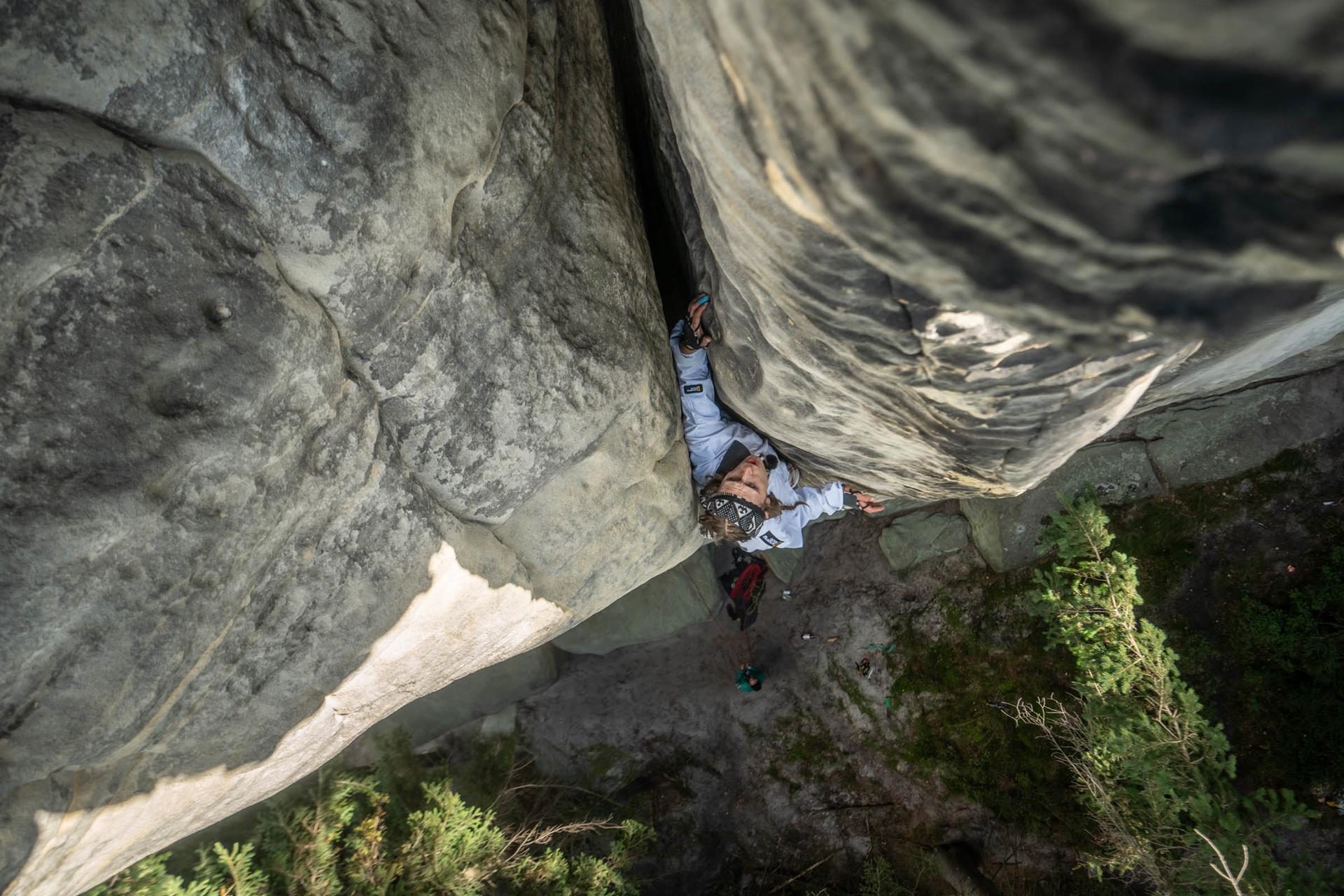
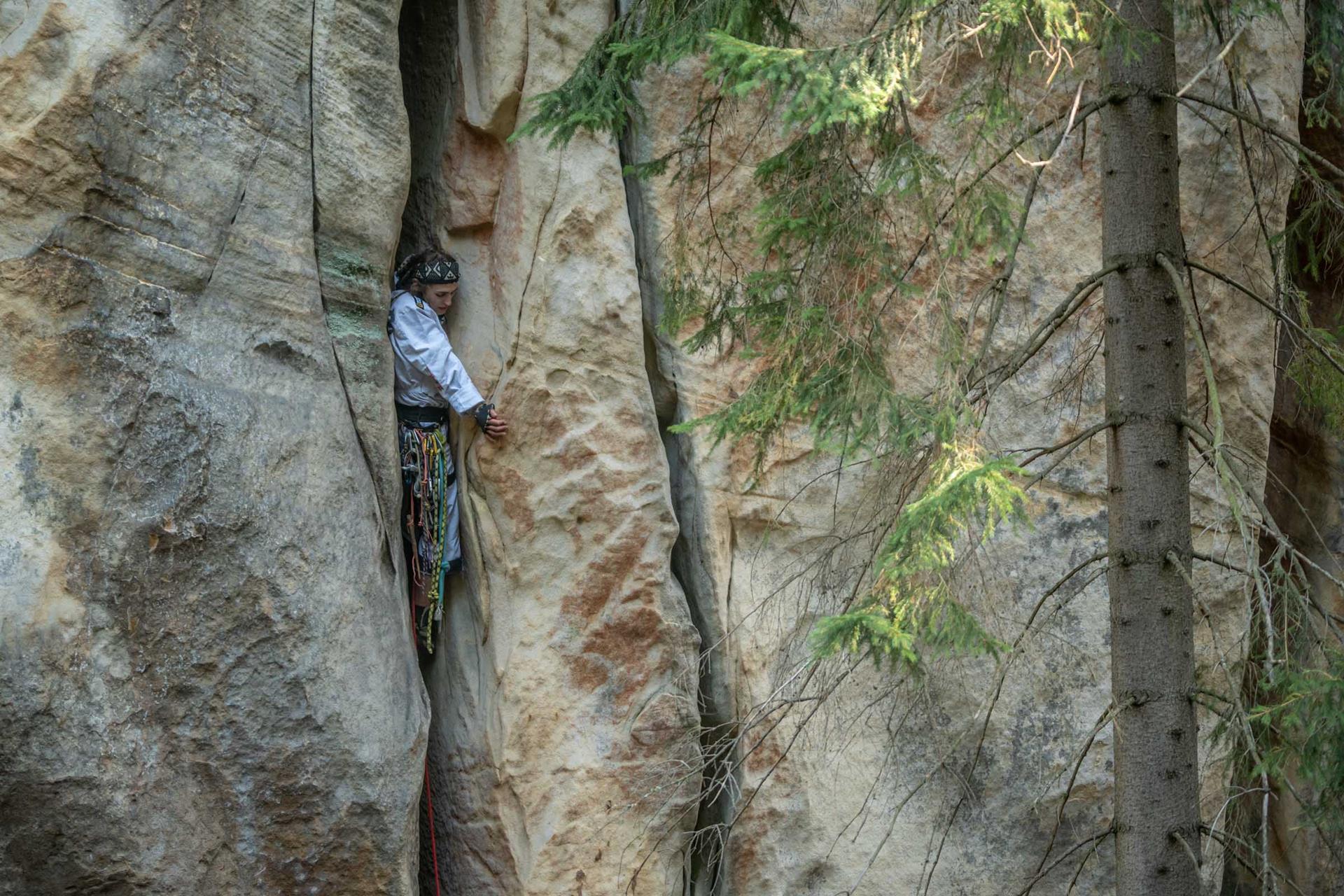
In the afternoon, another route - Chutná spára VIIIa - awaited them. The route starts in a narrow chimney leading into an overhang that pushes the climber outwards, with no protection available for quite some time. The first ring bolt is around 12–15 metres up. Ratlik decided to downclimb because he felt that continuing would involve too much risk. Franta respected his decision and tackled the route on his own. Moments like this show that a project of this kind is not just about physical strength, but also about assessing the situation and recognising your own limits.
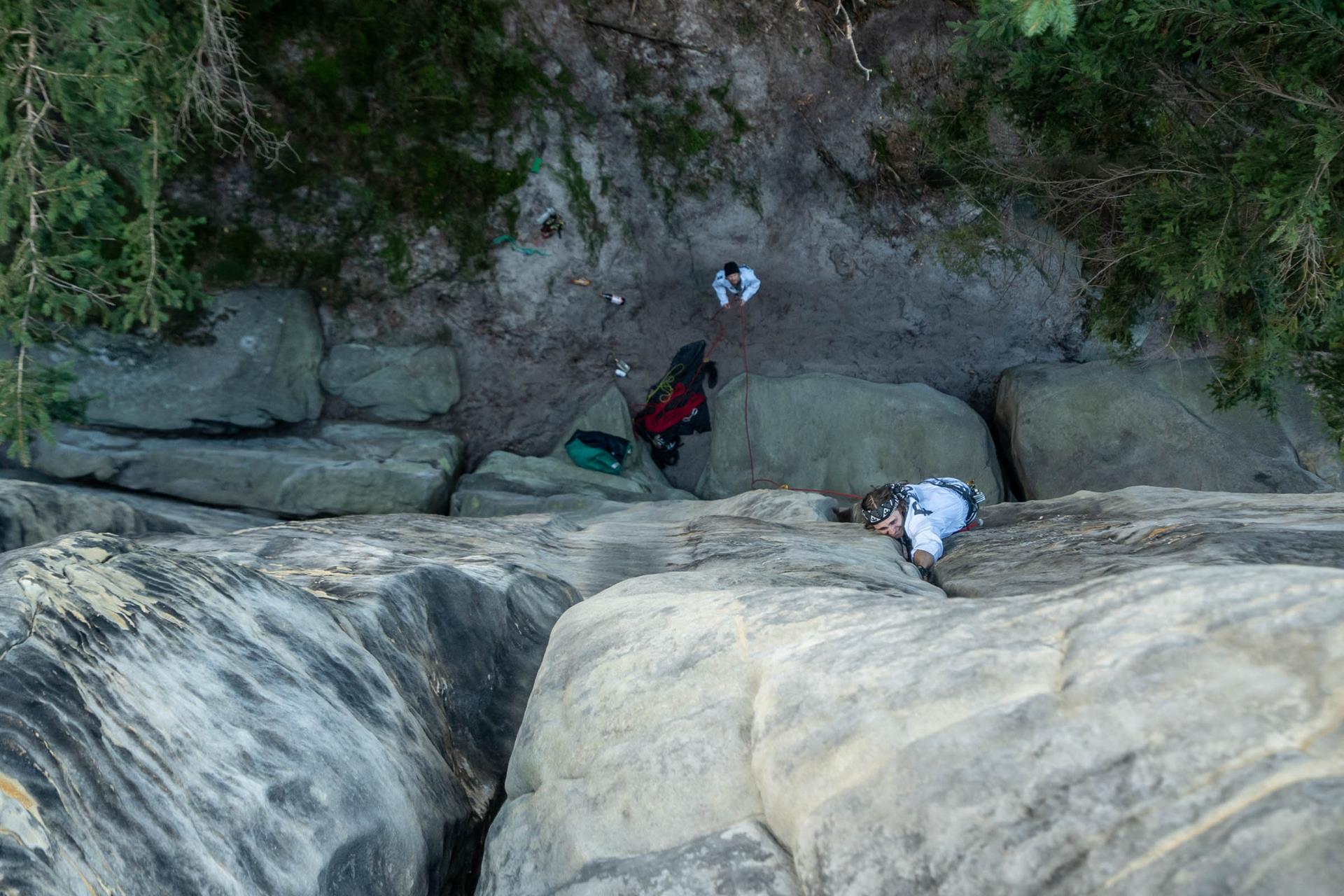
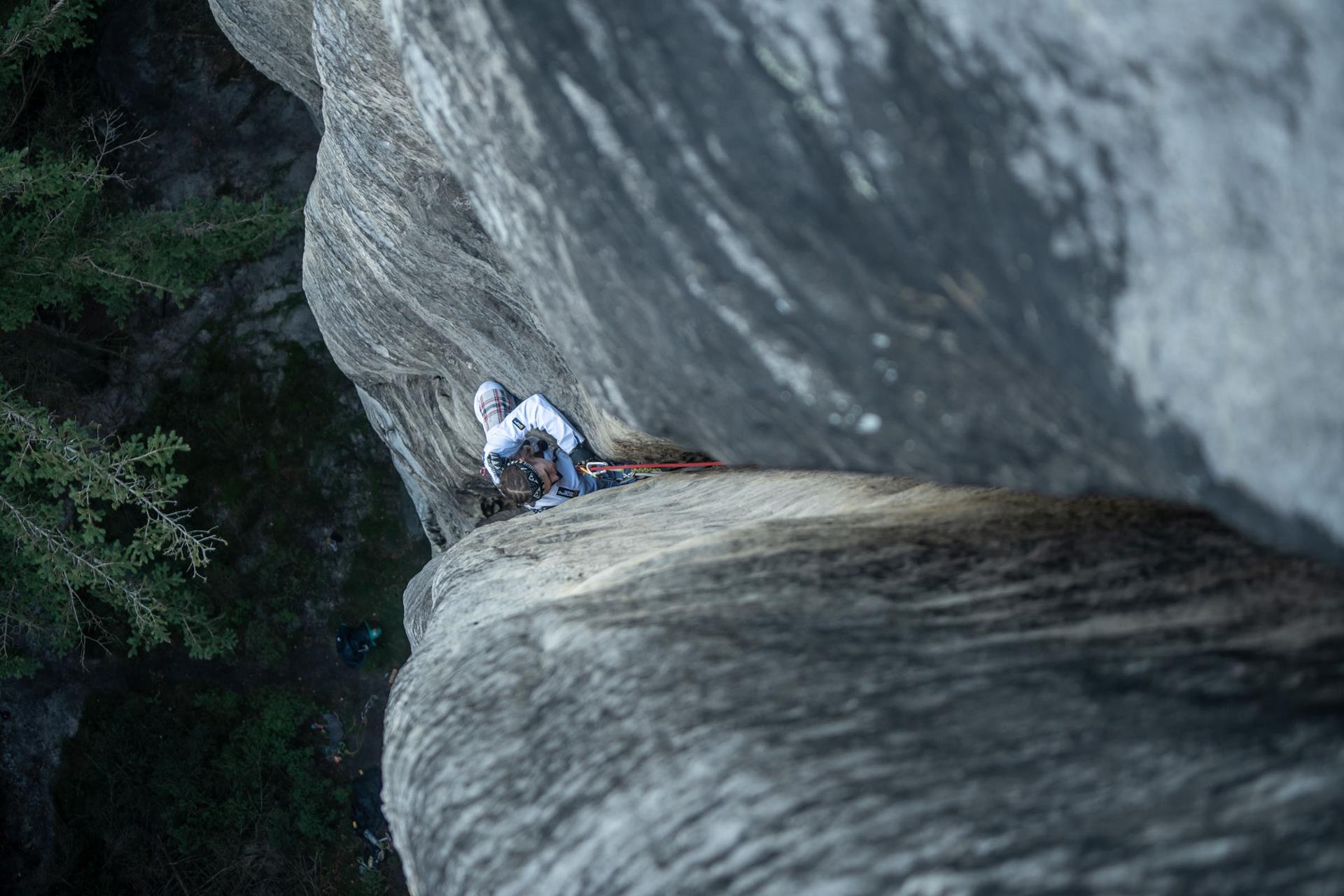
Another major challenge was Létavice VIIIa, which Franta described as the crack-climbing highlight of the day. This long crack line has just two ring bolts, and its difficult sections test both technique and endurance. Neoprene knee pads helped protect their sore knees, but even they could not eliminate all the discomfort. At 17:15, Franta admitted at the summit that he was running out of energy.
And no wonder. The ten routes featured a total of seventeen ring bolts, with an average route length of around 60 metres. Protection was often far apart, and a significant part of the climbing took place in what is known as the no-fall zone. That does not mean every fall in this zone would necessarily be fatal, but it is definitely better not to fall. A day like this demands not only endurance and excellent climbing technique, but also absolute concentration and sound judgement.
A little something to finish
As the last daylight faded, they moved on to Lehká V, which is definitely not as easy as its name suggests. After dark, only the final two routes on Pegas’s valley-facing wall remained: Vodní kapky VIIIa and the Bílé myšky VIIc variation.
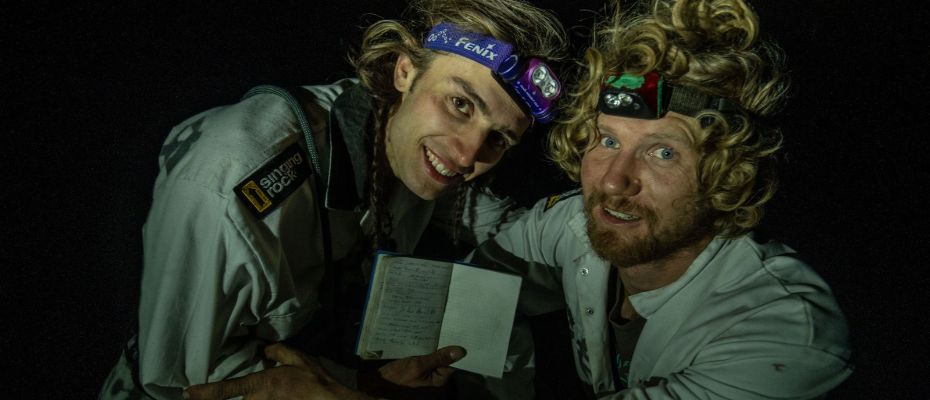
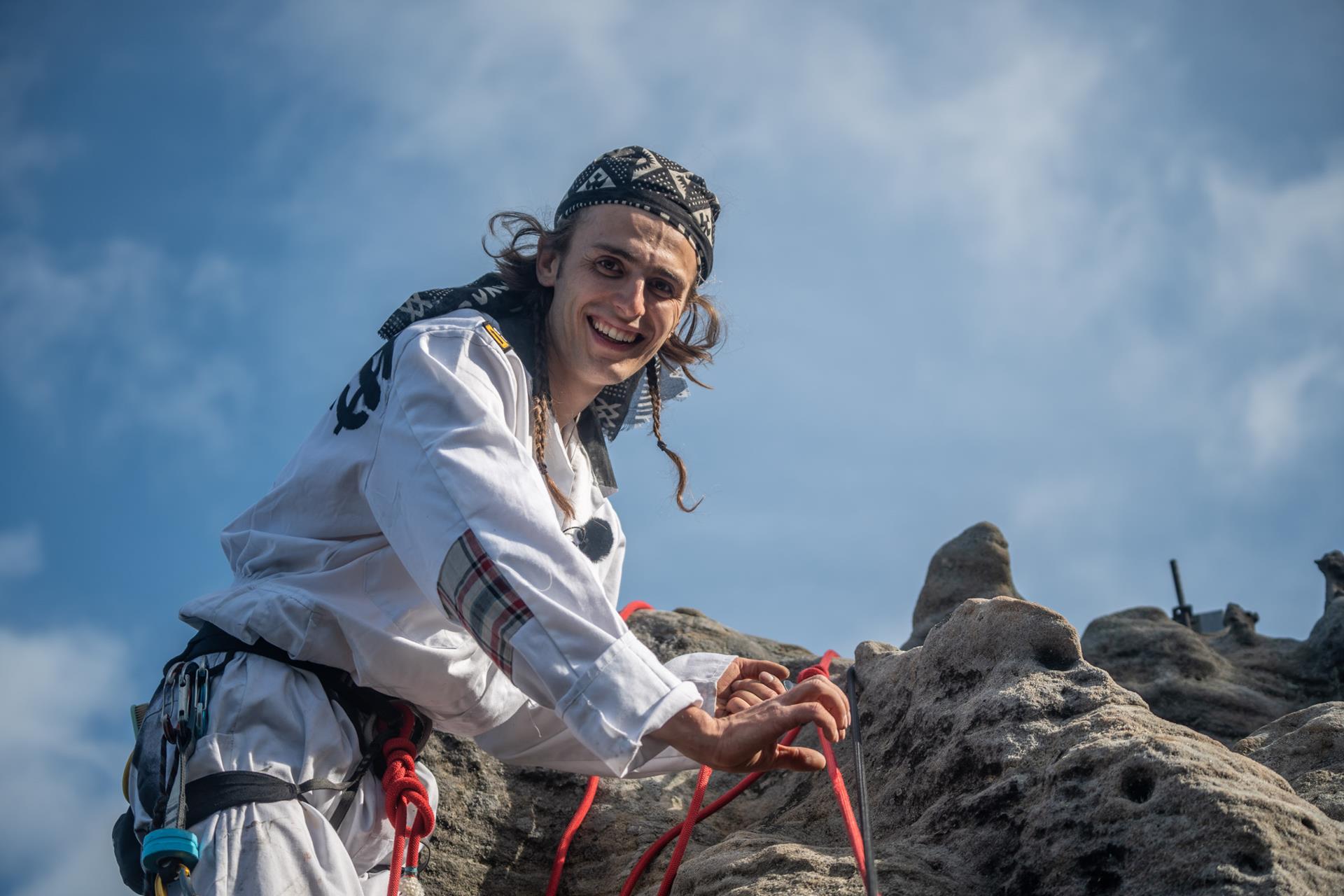
Vodní kapky brought Franta to his lowest point of the day. Several demanding offwidth sections tested the last reserves of strength in both his body and mind. When he finally made it past the hardest sections, relief was mixed with the realisation of just how close he had come to his limits. Fortunately, the final Bílé myšky variation offered a slightly kinder finish, and he managed to place a good sling for protection. At 22:55, Franta, Ratlik and photographer Kuba embraced at the top and recorded the tenth and final route in the summit logbook. After sixteen hours, the job was done.
Pegas was about much more than ticking routes and adding grades to a climbing résumé. It was about climbing skill, endurance, improvisation and trust in your partner. It was also a reminder that sometimes the right decision is to push on, while at other times it is to downclimb before things get too risky. Because in Adršpach, what matters is not just what you manage to climb, but also how safely you make it back to the ground.
Want to know more about this chalenge? Check out Franta´s detailed report on he climbing site eMontana.
Note: The conversions from the local sandstone grading system to French grades are approximate. Sandstone climbing in Adršpach has its own unique characteristics and can be demanding not only technically, but also mentally, particularly due to long runouts between protection points.
Ten routes in sixteen hours
 More
Photo: Kuba Freiwald