AURA, built to go light
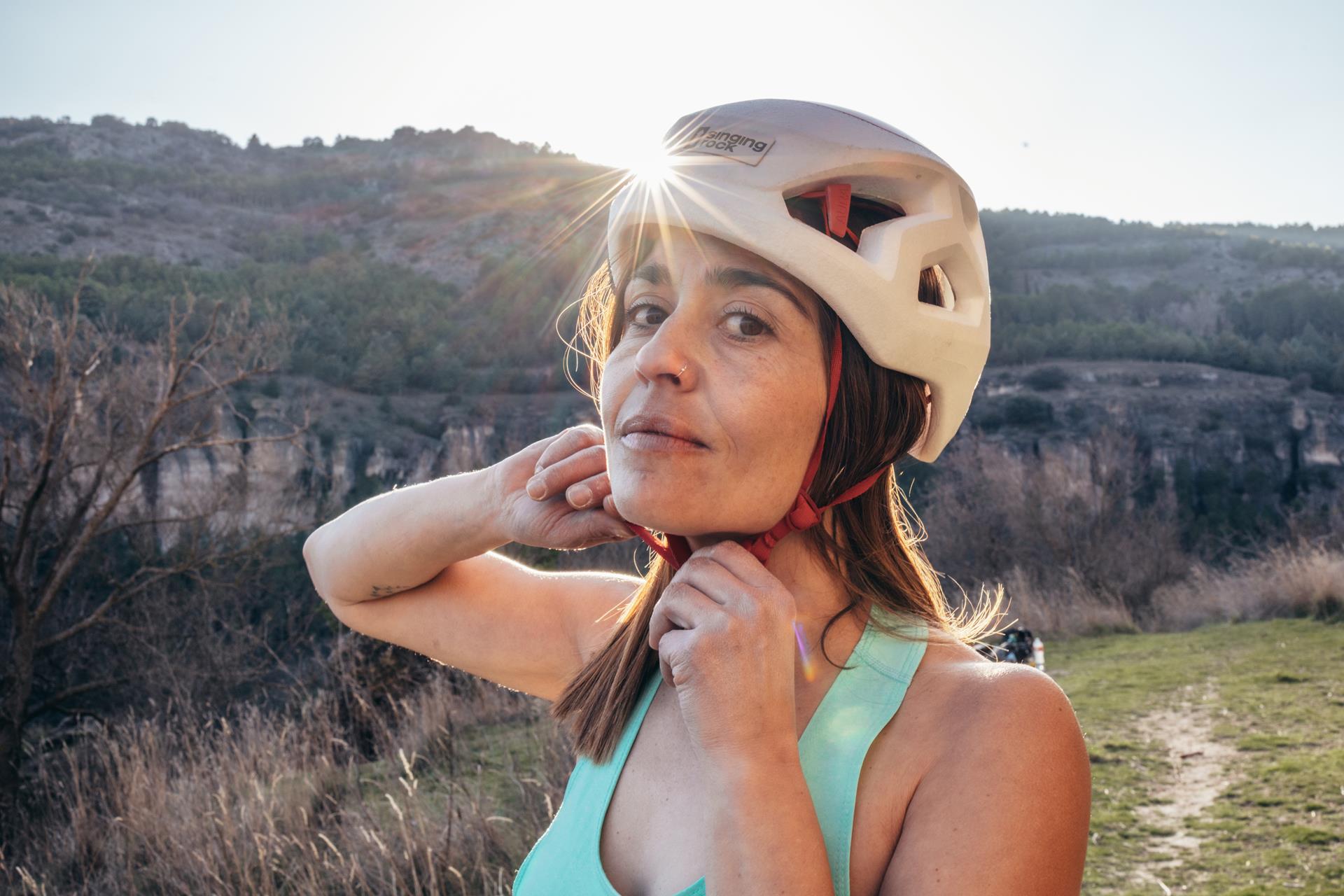
SINGING ROCK introduces AURA, a new ultralight helmet designed for mountaineering and climbing. How was it developed, and what makes it special? We talked to Aleš Steklý, the designer behind it, to find out.
How did AURA come about? Why did you decide to make another helmet?
We were missing a helmet for technical climbing and mountaineering, where every gram counts. HEX and PENTA are great helmets for what they’re made for, but we wanted something even lighter. The brief was clear: the lowest possible weight, no compromise on safety and, above all, comfort.
 How does AURA differ from HEX and PENTA?
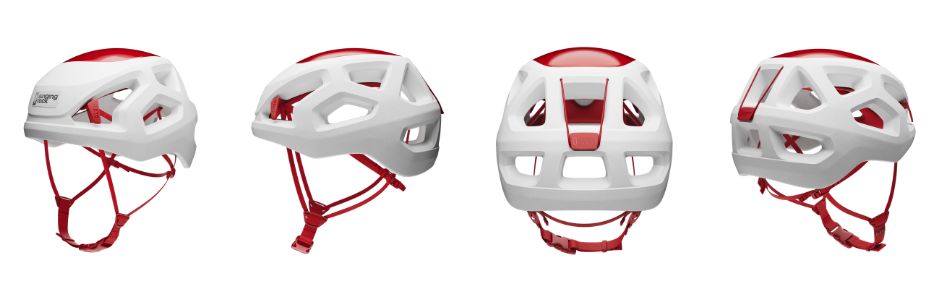
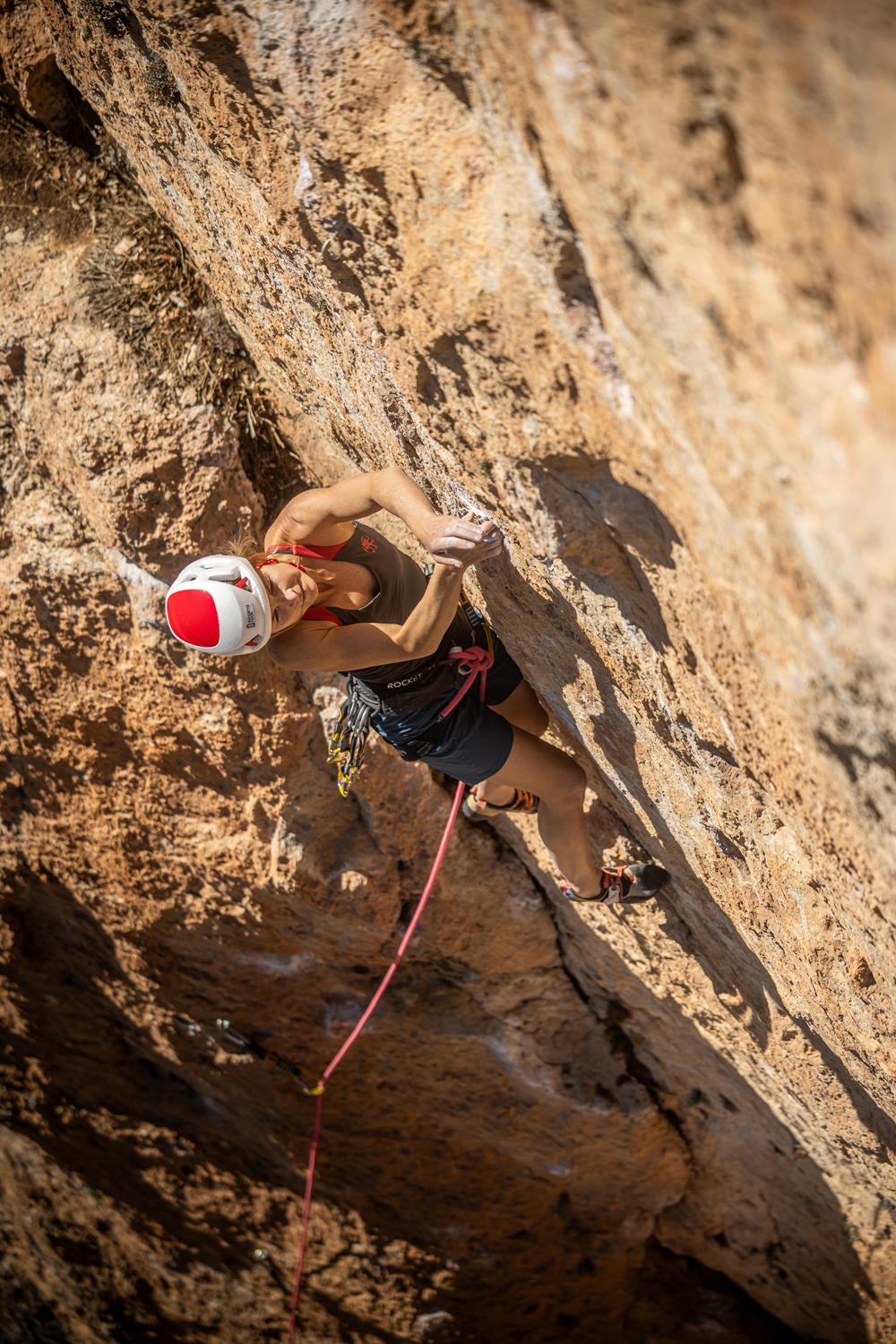
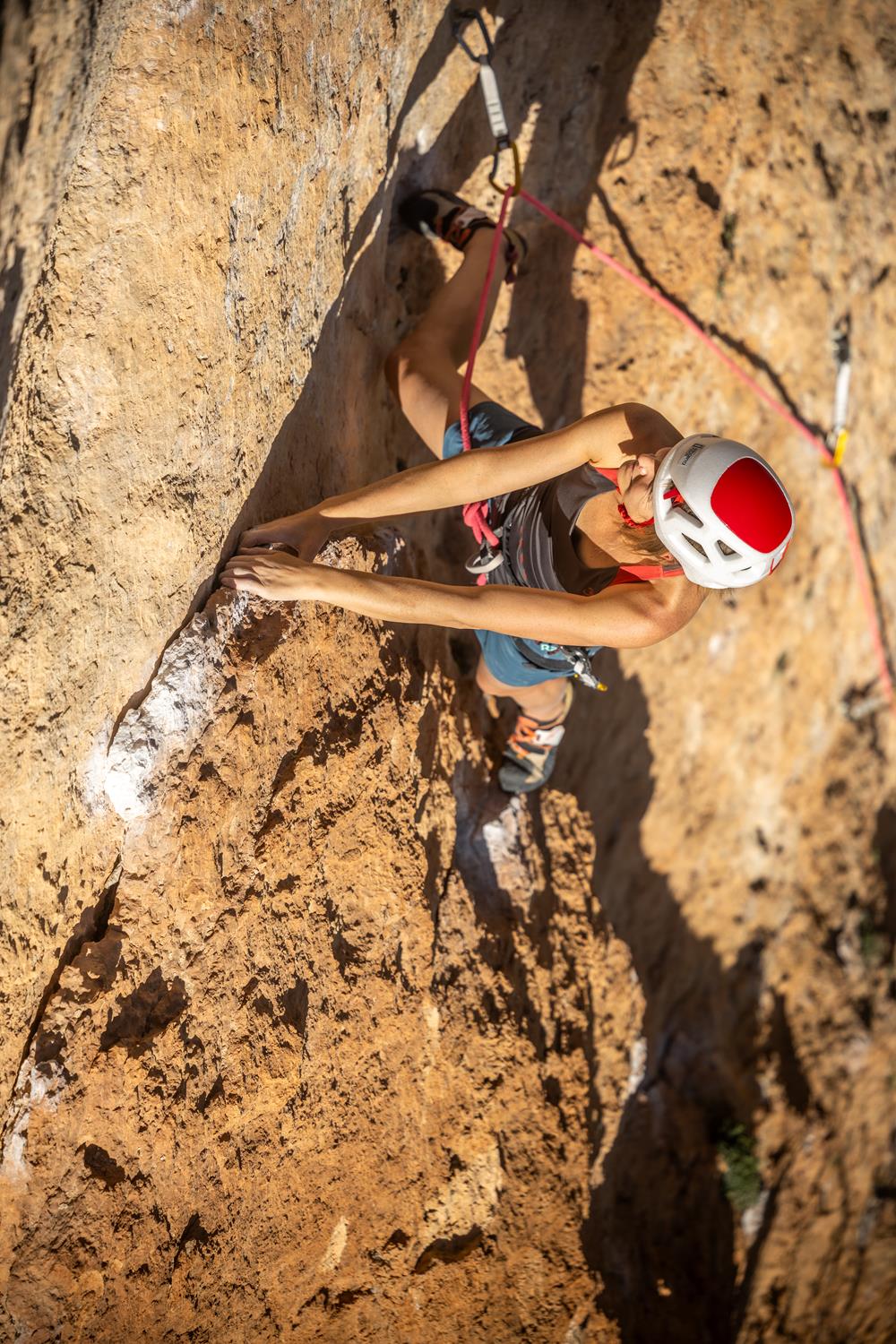
First of all, in its construction. The main body of HEX and PENTA is built on a simpler two-material design. AURA is a hybrid in-mould helmet that combines three types of material: a polycarbonate shell moulded directly onto an EPP foam core, plus a low-density EPS insert that we use to fine-tune impact absorption. This gives the helmet a low profile, so it sits close to the head and doesn’t get in the way when climbing chimneys or in other places where space is limited. And it weighs just 160 g (in size M).
What materials is the helmet made of, and why this combination?
The base is EPP, expanded polypropylene. I like it because it’s flexible: it absorbs an impact and, to a certain extent, recovers from it. EPS deforms permanently after a harder impact, whereas EPP copes better with repeated smaller impacts, and there are plenty of those in climbing. The shell is made of polycarbonate, which increases penetration resistance. The small parts are made of glass-fibre-reinforced technical plastics that are flexible and durable. Every part of the helmet has its function. Nothing is there without a reason.
160 grams is really light. How did you manage it without compromising safety?
Through development iterations. For every single part, we asked whether it really needed to be there and whether it could be lighter. We trimmed, validated and trimmed again. But you have to know exactly where you can take material away and where you can’t, so the helmet stays safe. That’s verified during certification to the EN 12492 standard: the helmet has to absorb a series of impacts and withstand penetration tests, which AURA passed with margin to spare.
The narrow retention straps immediately catch the eye. Can you tell us more about them?
Yeah, the helmet’s retention system is truly special. It’s built around exceptionally narrow webbing straps. We developed them in collaboration with VÚTS, a Czech research institute specialising in textile machinery, and managed to reduce the weight by 40% compared to the webbing we used before. The research and development involved countless rounds of prototyping and testing different combinations of materials and technologies. We fine-tuned the webbing structure down to the smallest detail. The result is webbing that weighs almost nothing, yet stretches only minimally under critical load and keeps the helmet securely on your head.
You don’t often see merino in the lining of a climbing helmet. Why merino?
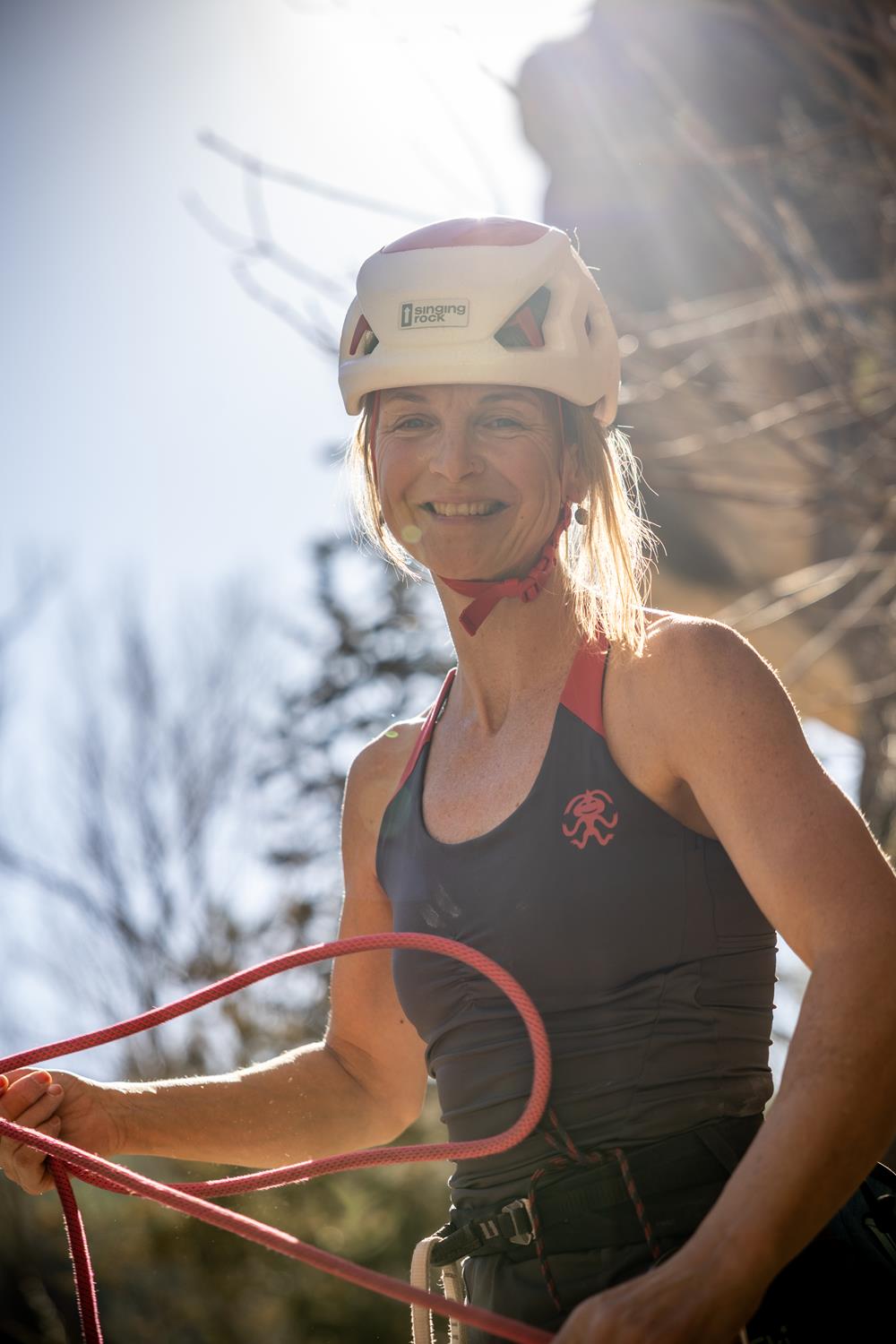
For comfort, all day long, not just for the first few minutes. Merino feels nice against the skin, doesn’t feel cold when wet and doesn’t smell. The padding is removable and washable. It’s a detail, but it’s details like this that make you enjoy wearing a helmet.
Who is AURA for?
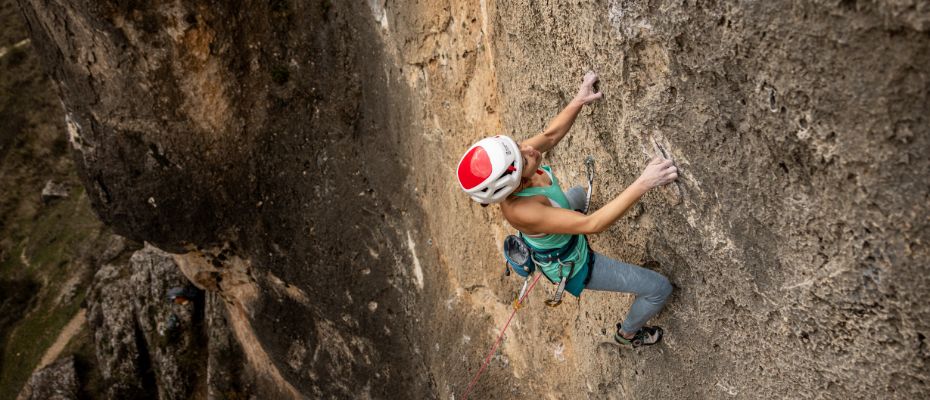
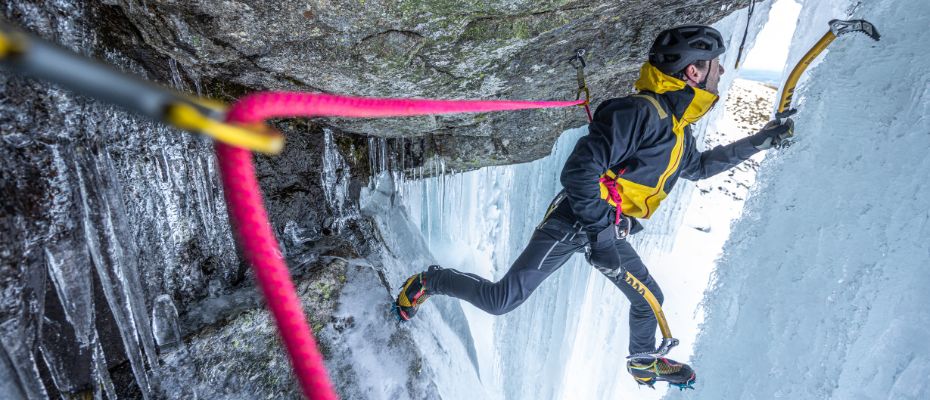
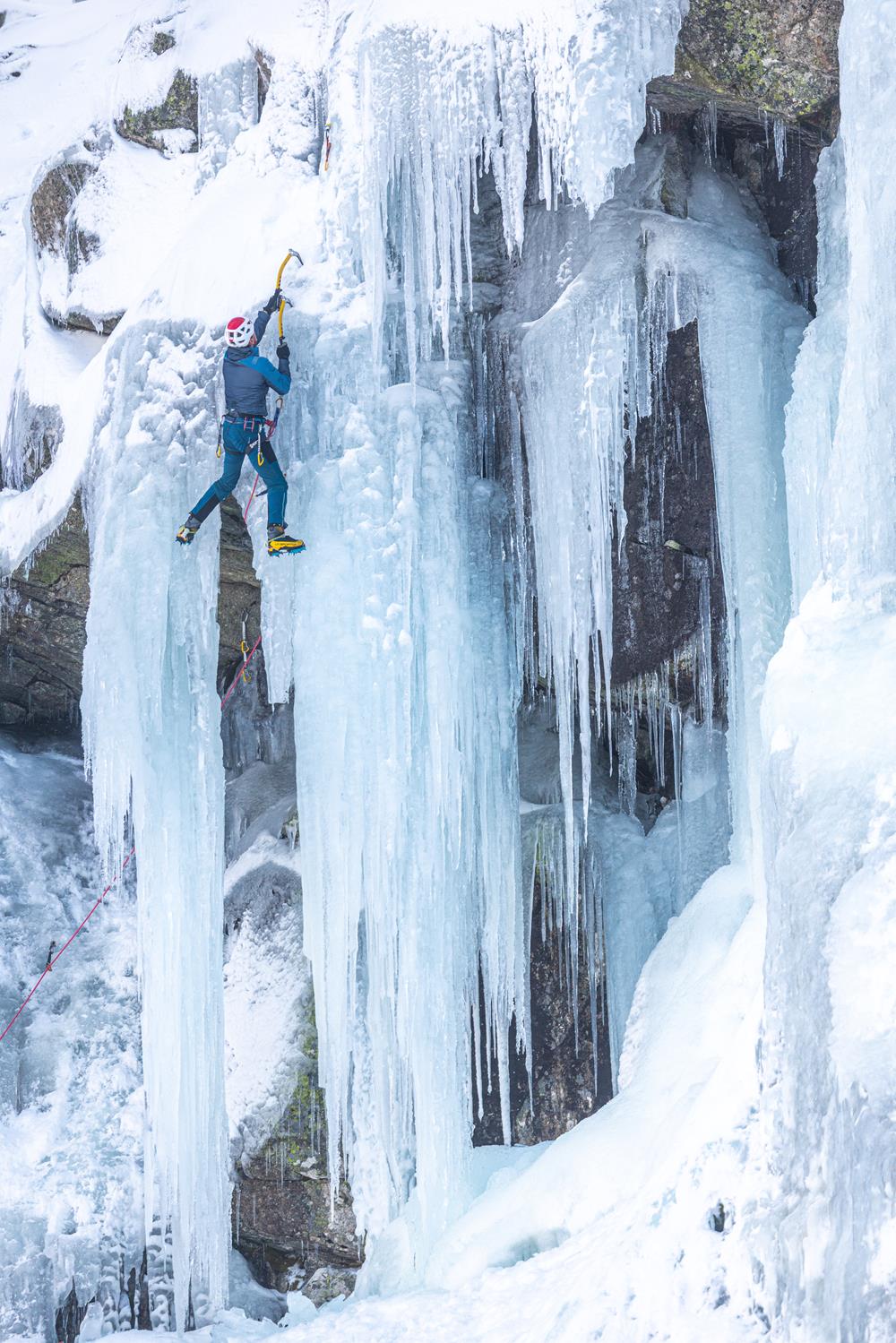
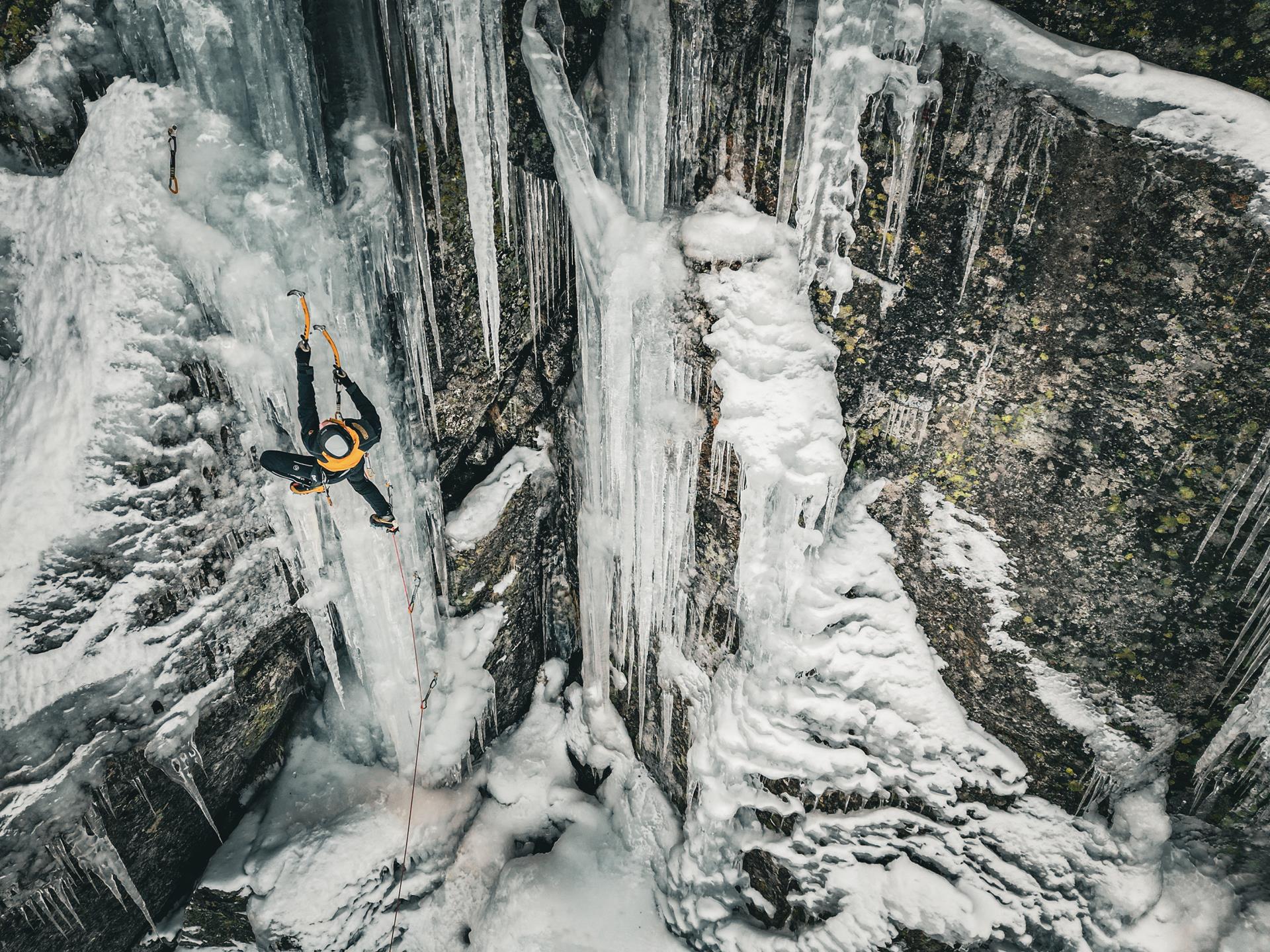
For climbers who care about the weight of their whole system: technical sport climbing, mountaineering, multi-pitch, via ferrata and big wall. But not only for them. Anyone who spends whole days on the rock and wants a light, comfortable helmet will find exactly what they’re looking for in AURA.
What about AURA’s ventilation?
Ventilation and low weight go hand in hand. When you remove material wisely, the helmet becomes both lighter and better ventilated. But you can’t do it everywhere: in areas that are critical for impact absorption, the material has to stay. AURA has large vents which allow for excellent airflow, and the merino lining wicks away moisture.
Can you attach a headlamp or goggles to AURA?
A headlamp is held by two front clips and an elastic cord at the back. The rear cord also holds ski goggles, so AURA works in winter too.
How does AURA compare with the competition among ultralight helmets?
AURA is our first helmet of this kind, and it immediately ranks among the lightest helmets on the market. We want to offer the same or lower weight than established competitors, plus a merino lining and the narrowest webbing retention system ever used on a climbing helmet.
And we also want to offer it at a reasonable price. After all, an ultralight helmet doesn't have to cost a fortune.
And finally, what would you say to a climber who’s thinking about getting AURA?
It feels more like wearing a beanie than a helmet. Compared to older helmet designs, it’s a noticeable step up in comfort. Try it, and you won’t go back to your old, heavier helmet. And over time, you’ll find yourself wearing it even in places where you wouldn’t have wanted to wear a helmet before.
Aleš Steklý



 More