
Soft napped insulating fabric made from a type of polyester called polyethylene terephthalate (PET) or other synthetic fibers. A lightweight, warm, soft and hydrofobic fabric. Regular polar fleece is not wind-proof and does not absorb moisture. It is readily generates static electricity.
Most common plastic, which is usually a mixture of similar polymers of ethylene. Polyethylene is of low strength, hardness and rigidity, but has a high ductility and impact strength as well as low friction. It shows strong creep under persistent force, which can be reduced by addition of short fibers. Its primary use is in packaging (plastic bags, plastic films, geomembranes, containers including bottles, etc.).
Synthetic material made by Invista and used as an insulator. The performance fibers are engineered with a differentiated fiber shape, able to produce battings with sought-after lightweight warmth.
Polymer composed of organic units joined by carbamate (urethane) links. While most polyurethanes are thermosetting polymers that do not melt when heated, thermoplastic polyurethanes are also available.

A brand-new HEX climbing helmet comes onto the market We seized this opportunity to ask our developer Aleš Steklý, the helmet specialist and HEX's father, several questions...

SINGING ROCK invites you to the 38th International Mountaineering Film Festival in Teplice nad Metují, Czechia, 26th - 29th August 2021. Films, concerts, exhibitions, climbing competitions and more...
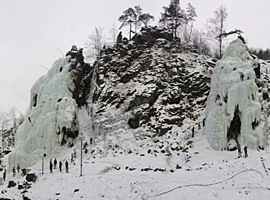
SINGING ROCK has been a long-term partner and technical supporter of the Ice Wall in Vír. This unique wall is highly dependent on weather conditions, so it comes as no surprise that the length of the season may vary from one to two or three months every year
Brand name for a collection of fabrics used in a wide array of products including luggage, backpacks, trousers, military wear and performance apparel. Cordura fabrics are known for their durability and resistance to abrasions, tears and scuffs. Cordura fabrics are usually made of nylon.

American National Standards Institute – is a private non-pro-fit organization that oversees the development of voluntary consensus standards for produ-cts, services, processes, systems, and personnel in the United States.[3] The organization also coordinates U. S. standards with international standards so that American products can be used worldwide.
Soft napped insulating fabric made from a type of polyester called polyethylene terephthalate (PET) or other synthetic fibers. A lightweight, warm, soft and hydrofobic fabric. Regular polar fleece is not wind-proof and does not absorb moisture. It is readily generates static electricity.
Most common plastic, which is usually a mixture of similar polymers of ethylene. Polyethylene is of low strength, hardness and rigidity, but has a high ductility and impact strength as well as low friction. It shows strong creep under persistent force, which can be reduced by addition of short fibers. Its primary use is in packaging (plastic bags, plastic films, geomembranes, containers including bottles, etc.).
Kevlar is the registered trademark for a para-aramid synthetic fiber. Kevlar has many applications, ranging from bicycle tires and racing sails to body armor, because of its high tensile strength-to-weight ratio; by this measure it is 5 times stronger than steel. It is designed to protect users from cuts, abrasions and heat. Kevlar-based protective gear is often considerably lighter and thinner than equivalent gear made of more traditional materials.