Search Results - all articles
For the searched phrase „s“ were found 520 products and 488 articles.Articles
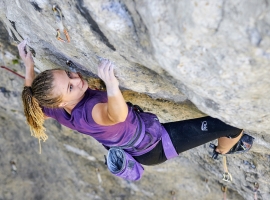
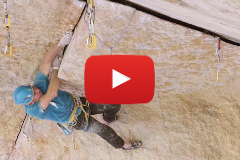
Citro, La fuerza de la gravedad 8b+
In September 2017 the SINGING ROCK athlete Carlos Logroño aka ‘Citro’ climbed free La fuerza de la gravedad, an A2 roof crack route situated at Vadiello, Spain. He proposed it as 8b+...


Customer warning
We have to inform potential buyers that on the internet there are several online wannabe Singing Rock stores which may be unreliable...

ISPO 2019
SINGING ROCK invites you to the ISPO international trade fair for sports equipment and fashion held in Munich, Germany, 3-6 February 2019. Visit our Singing Rock booth A3-420...
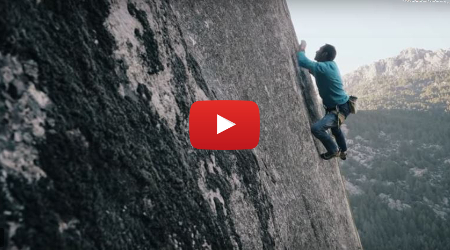
Citro, climbing in La Pedriza
SINGING ROCK athlete Carlos Logroño sends greetings from his climbing trip to La Pedriza, Spain. Enjoy this blockbuster ;-)

Acryl
Lightweight, soft, and warm, with a wool-like feel fabrics or yarn. Strong and warm, acrylic fiber is often used for sweaters and tracksuits and as linings for boots and gloves, as well as in furnishing fabrics and carpets. It is manufactured as a filament, then cut into short staple lengths similar to wool hairs, and spun into yarn.
Anodizing
Electrolytic passivation process used to increase the thickness of the natural oxide layer on the surface of metal parts. Anodizing increases resistance to corrosion and wear, and provides better adhesion for paint primers and glues than bare metal does.
Bamboo
Cloth, yarn, and clothing made out of bamboo fibres. Bamboo fabric is exceptionally soft and light. It is also incredibly hydrophilic, absorbing more water than other conventional fibres such as cotton and polyester.
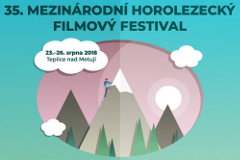
35th International Mountaineering Film Festival in Teplice nad Metují
SINGING ROCK invites you to the 35th International Mountaineering Film Festival in Teplice nad Metují, Czechia, 23th - 26th August 2018. Films, concerts, exhibitions, climbing competitions and more...
Alpinmesse Innsbruck 2018
SINGING ROCK participates and invites you to Alpinmesse, the mountaineering fair held in Innsbruck, Austria on 20 - 21 November 2018. Visit our booth B1-182...